Big Sur is undoubtedly one of the jewels of the California coast and a must-do excursion around Carmel-by-the-Sea. With its sheer cliffs, redwood forests and breathtaking panoramas, this region offers a unique experience combining nature, adventure and relaxation. Whether you're a hiking enthusiast, a lover of spectacular scenery or simply looking for some peace and quiet, a visit to Big Sur is sure to enrich your stay in Carmel-by-the-Sea.
Get started to prepare for your getaway
Before setting off, it's essential to familiarize yourself with the region and its particularities. Big Sur enjoys a Mediterranean climate with warm summers and mild winters, although coastal fog and sudden temperature changes at altitude can take visitors by surprise.
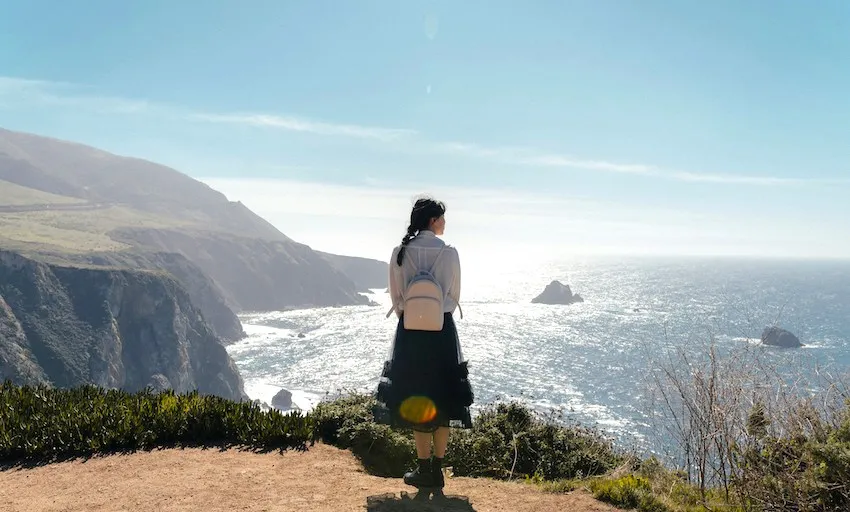
You'll need to prepare for your trip by including clothing adapted to climatic variations, such as sturdy hiking boots, a waterproof jacket and extra layers for cool evenings. It's also advisable to bring alternatives to the limited mobile signal in some remote areas of the region.
To get the most out of this destination, the ideal period is spring or autumn, when the climate is pleasant and visitor numbers are lower. However, summer remains very attractive despite the crowds, and even winter offers a serene atmosphere, albeit with more frequent precipitation.
Getting to Big Sur from Carmel-by-the-Sea
The journey often begins in Carmel-by-the-Sea, a charming coastal town close to Big Sur.
The road that links these two places is reputed to be one of the most picturesque in California. Along the way, you'll marvel at breathtaking panoramas, sheer cliffs and the immensity of the Pacific Ocean. More than just a journey, the trip becomes a visual adventure, with every turn offering a new natural spectacle.
Detailed itinerary
To get from Carmel-by-the-Sea to Big Sur, take California State Route 1 (also known as the Pacific Coast Highway), which runs along the Pacific coast.
The route offers spectacular ocean and cliff views. The distance between the two towns is approximately 45 kilometers, or about 45 minutes non-stop. However, we recommend that you allow more time to enjoy the many sights and points of interest along the way.
If you don't have a car, the most practical way is to take a cab, which takes around 34 minutes and costs between $75 and $90.
Carmel-by-the-Sea to Big Sur: all the key stops and things to discover
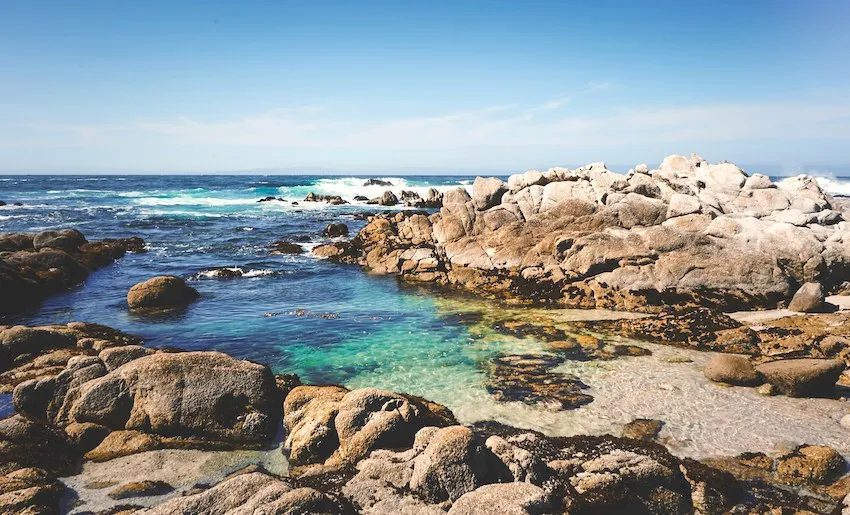
Stage 1: Point Lobos State Natural Reserve
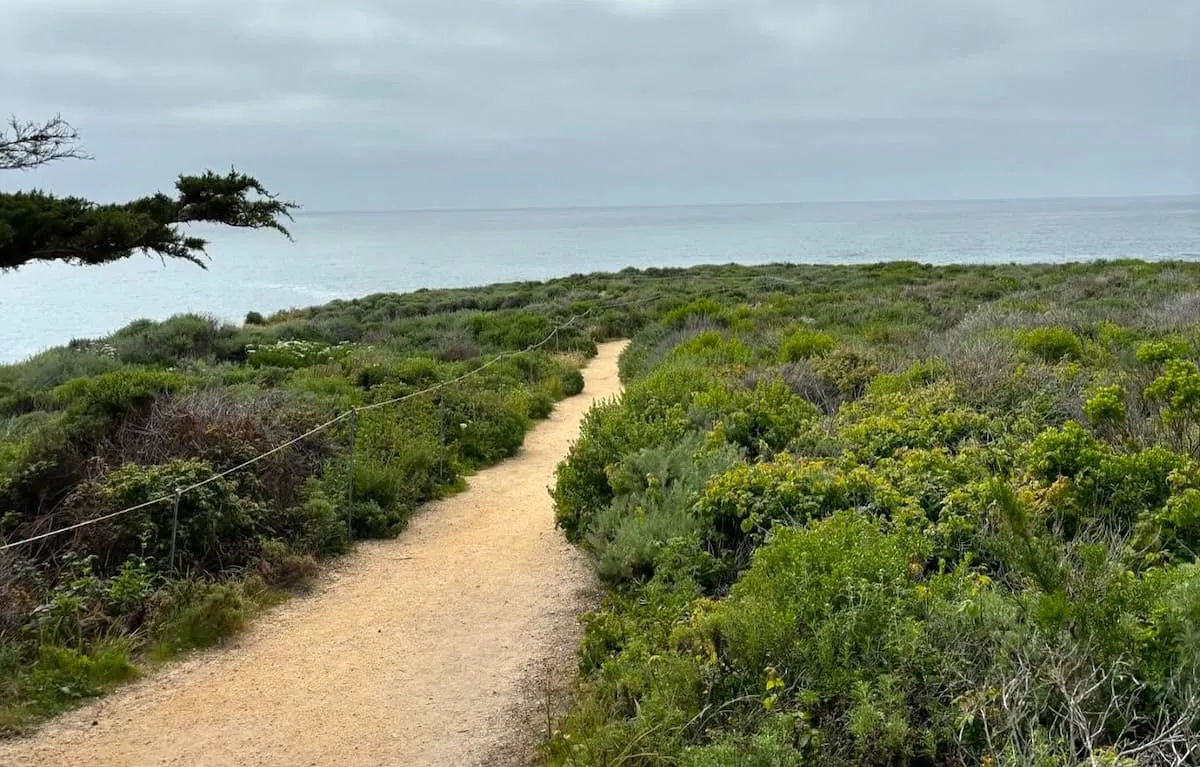
- Hiking trails: There are several routes to discover the coastal scenery, ranging from easy strolls to more intense hikes.
- Marine wildlife watching: Expect to see sea lions, seals and sometimes even whales off the coast. Don't forget your binoculars!
Stage 2: Garrapata State Park
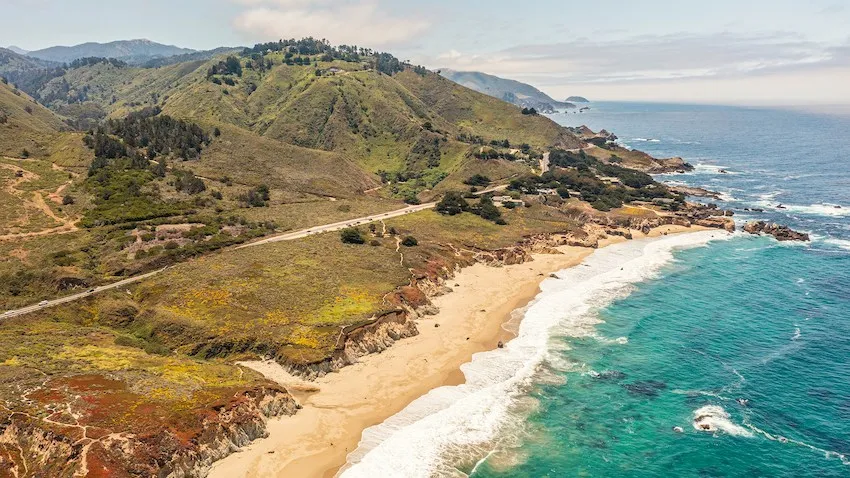
- Best hikes: The park offers a variety of trails, some along sheer cliffs and others deep in lush vegetation.
- Panoramic viewpoints: Lookouts offer spectacular views of the ocean and rugged coastline.
- Beach access: Take advantage of small coves and hidden beaches for a relaxing break or picnic.
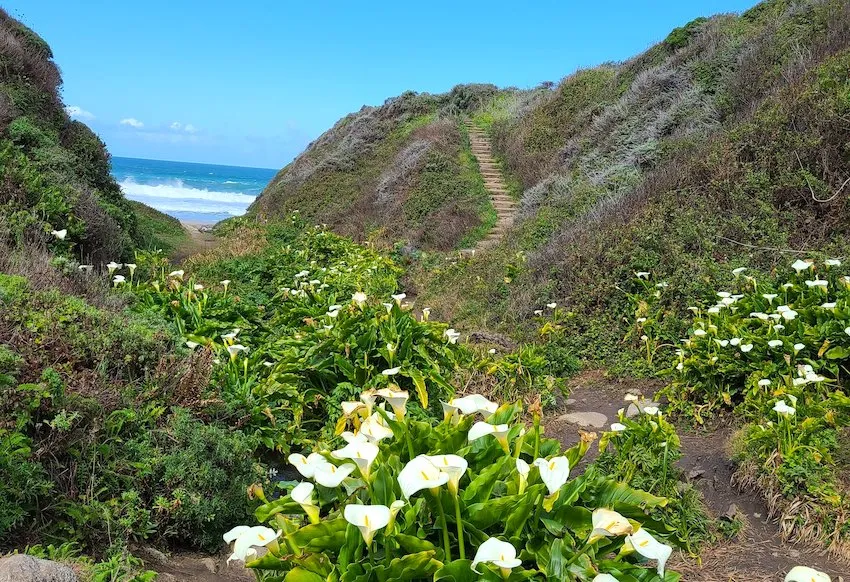
- Calla Lily Valley: A must-see in spring, this enchanting valley is covered with blooming white calla lilies, creating a breathtaking natural spectacle near Garrapata State Park.
Stage 3: Bixby Creek Bridge
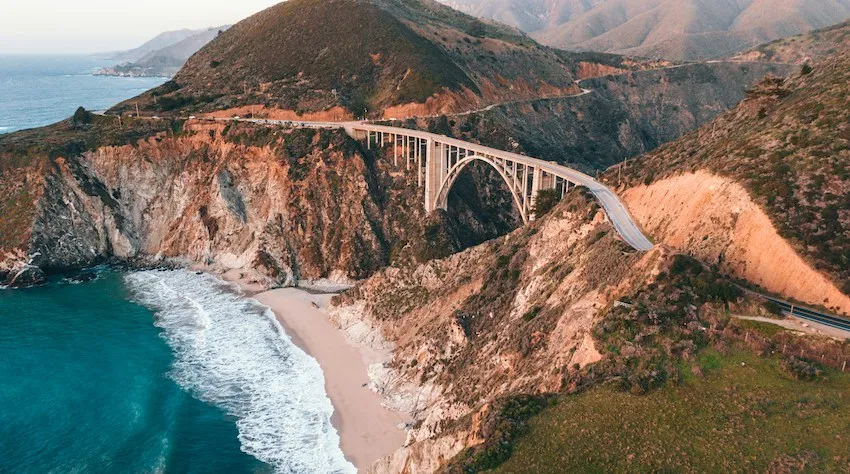
- Bridge history: Built in the 1930s, this iconic bridge is one of California's most photographed.
- Best photo vantage points: Stop at the rest areas to capture some exceptional shots.
- Ideal times for photography: Dawn and dusk offer soft light and magnificent reflections on the sea.
Stage 4: Pfeiffer Beach
- How to get there: Follow the signs to Pfeiffer Beach, but note that the path can be narrow and winding.
- Activities: Between swimming, strolling along the sand and exploring the rock formations, this beach is a favorite for nature lovers.
- Natural phenomena to observe: Admire the purple sand, a unique phenomenon due to the presence of minerals, and watch the play of waves on the rocks.
Stage 5: McWay Falls
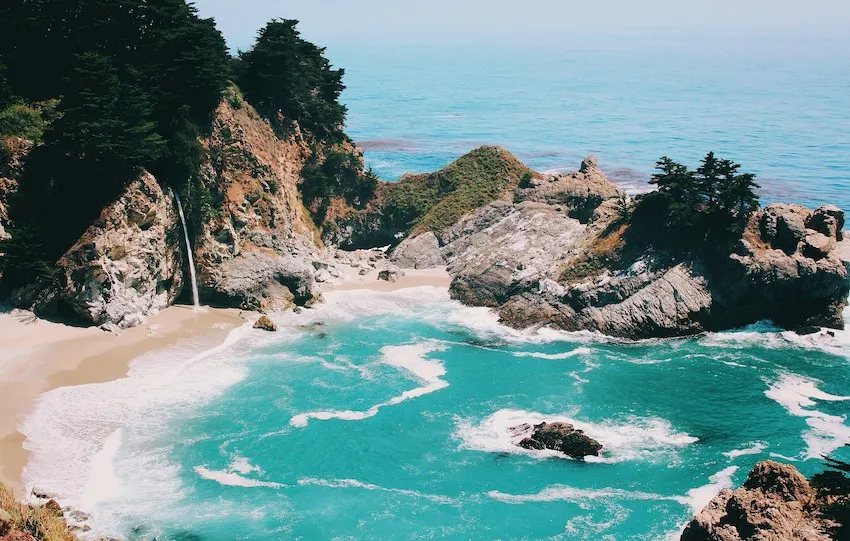
- Waterfall viewpoint: Located in Julia Pfeiffer Burns State Park, this waterfall cascades directly into the ocean, offering a breathtaking spectacle.
- Julia Pfeiffer Burns State Park: In addition to McWay Falls, the park offers several trails to explore the local biodiversity.
- Surrounding trails: Whether you're an experienced hiker or a casual stroller, there are several circuits to suit all levels.
How many days are needed to enjoy Big Sur?
To fully immerse yourself in the magic of Big Sur, we recommend devoting between 3 and 5 days to your stay. This will give you time to explore the trails, take contemplative breaks and participate in guided tours that will enrich your knowledge of the region.
These excursions, often led by local experts, will give you a better understanding of Big Sur's geological history and biodiversity, while ensuring a safe and well-organized experience.
Things to do around Big Sur
Big Sur is a region rich in activities to suit all types of travelers. The variety of activities on offer means you can tailor your stay to suit your mood, whether you're looking for adventure or contemplative relaxation.
Hiking: Hiking enthusiasts will find plenty to do on the many trails that criss-cross Big Sur's parks. For example, Pfeiffer Big Sur State Park offers a variety of routes, from leisurely strolls along the Big Sur River to more demanding climbs leading to panoramic viewpoints. Trails wind through majestic redwood forests, along crystal-clear rivers and lead to breathtaking panoramas of the Pacific Ocean.
Water activities: For those who prefer water activities, Big Sur's rugged coastline offers exceptional opportunities for kayaking. Exploring secluded coves and sea caves by paddle allows you to appreciate the region's natural beauty from a different angle. The clear waters and spectacular rock formations make every kayak outing unique and memorable.
Cultural discoveries: Big Sur is also a vibrant cultural center, home to numerous art galleries and artisan workshops. Visitors can discover works of art inspired by the region's natural beauty, meet local artists and even take part in workshops to create their own artistic souvenirs. This immersion in the local art scene offers an enriching perspective on Big Sur's creative community.
In addition to these activities, the region offers experiences such as outdoor yoga sessions, stargazing in light pollution-free skies, and wellness retreats for those looking to recharge their batteries. The diversity of activities at Big Sur means that visitors can tailor their stay to suit their interests, whether they're looking for adventure, culture or relaxation.
Local gastronomy in Big Sur
Discovering Big Sur also means sampling its local gastronomy. You'll have the opportunity to savor elaborate dishes at must-try restaurants such as Nepenthe or the Big Sur Bakery, where local ingredients are transformed into veritable culinary masterpieces.
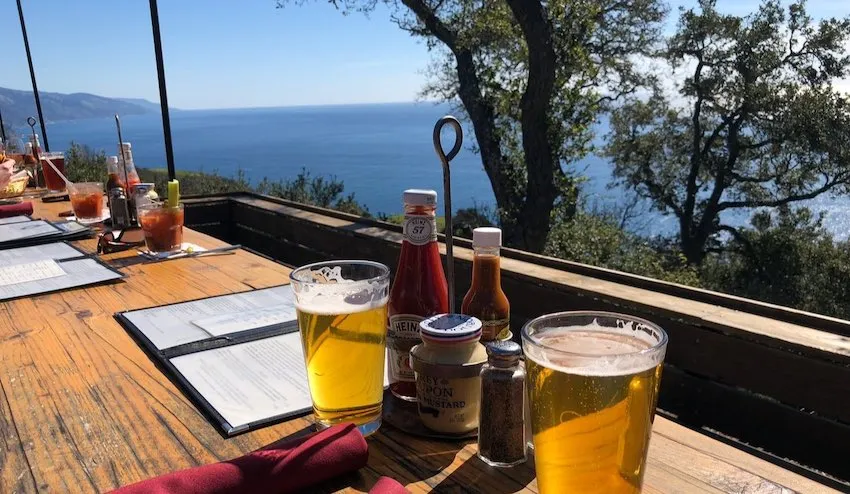
Gastronomic establishments, such as Sierra Mar, offer a refined dining experience that blends innovation and tradition, all in breathtaking surroundings. In addition to restaurants, local markets offer the chance to discover fresh, artisanal products, reflecting the region's generous terroir.
To make the most of these experiences, it's a good idea to make reservations in advance, especially in high season, to guarantee a place in these popular venues.
Discover Big Sur: practical information
Safety tips
The natural beauty of Big Sur should not blind you to a few essential precautions. On the region's winding and often narrow roads, it's important to observe speed limits and remain vigilant, especially in difficult weather conditions such as thick fog or rain.
For your own safety and that of your loved ones, don't forget to take along a first-aid kit and find out about emergency numbers, especially 911, should the need arise. These precautions will enable you to enjoy your trip with complete peace of mind.
Protecting the environment
Big Sur is a place where preserving nature is paramount. By adopting an ecotourism approach, you are helping to safeguard this exceptional natural heritage. It's essential to respect the rules of preservation, leaving no trace of your passage and scrupulously following the signs in protected areas.
Adopting responsible behavior, such as saving water and energy in accommodation and campsites, is part of an environmentally-friendly approach. By taking part in local clean-up initiatives or learning more about ecological practices, you can become a committed player in the protection of this unique natural setting.