Located just 6.7 miles south of Carmel-by-the-Sea, Garrapata State Park spans 2,939 acres along the spectacular Highway 1, between Carmel and Big Sur. Since opening in 1979, this park has remained one of the California coast's best-kept secrets, offering visitors an authentic Pacific wilderness experience without the crowds that characterize other tourist sites in the region.
Main features of the park
A natural sanctuary between sea and mountains
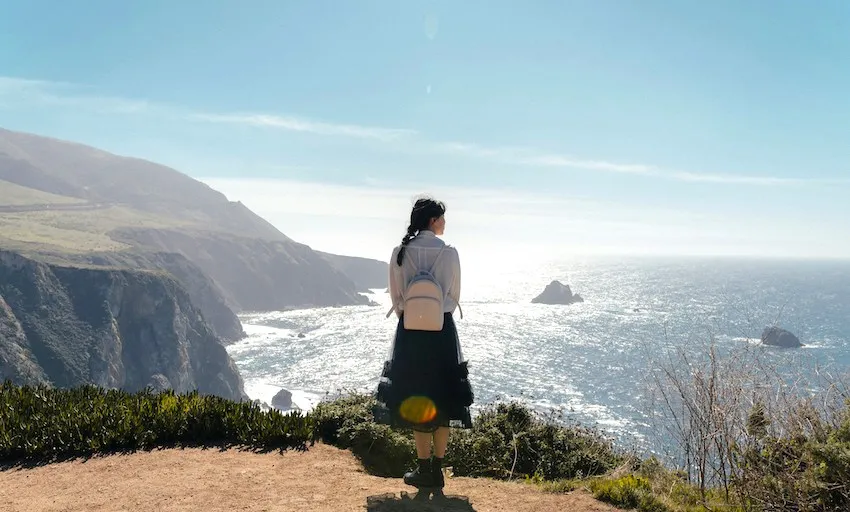
The park is distinguished by its remarkable diversity of landscapes. Two miles of wild beaches border the Pacific Ocean, while the hinterland gradually rises to hills covered with dense vegetation. This unique configuration allows visitors to explore both the coastal areas and the heights offering exceptional views of the ocean.
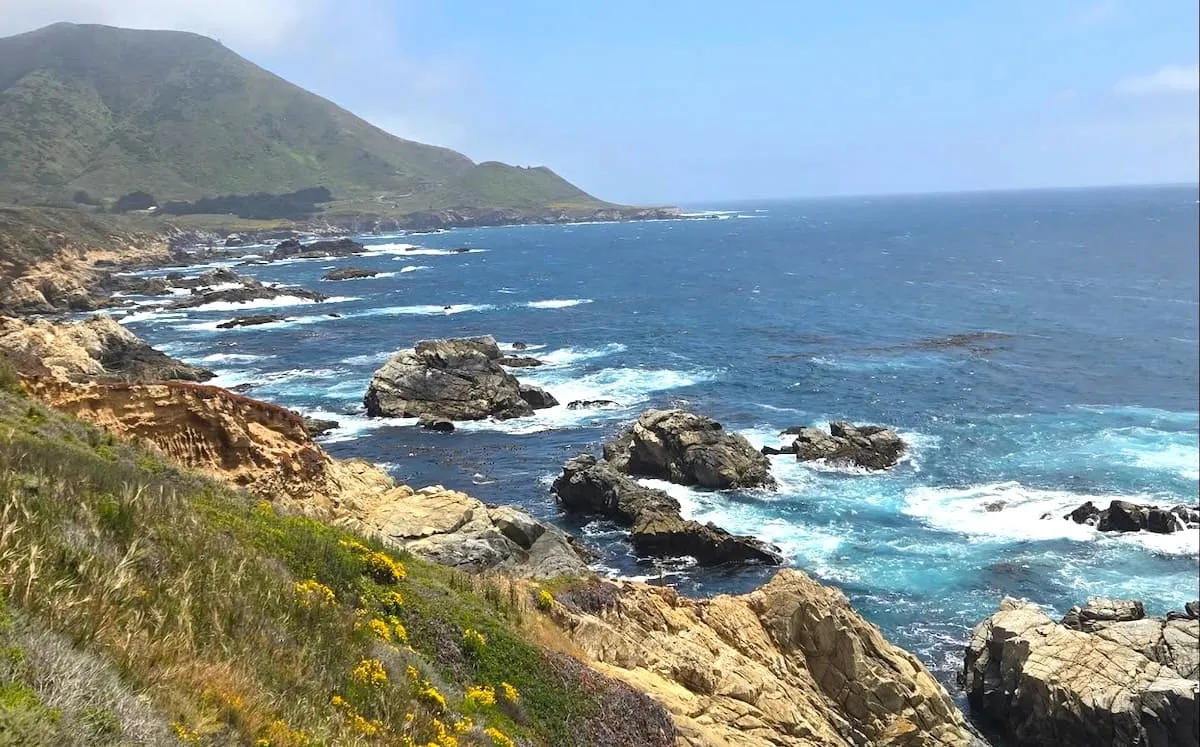
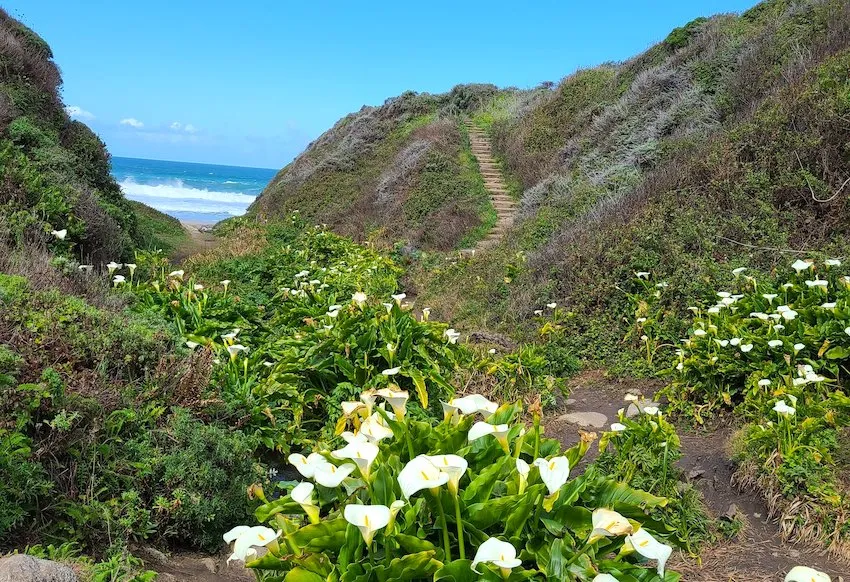
The vegetation of Garrapata State Park reflects the ecological richness of the region. California's typical coastal scrub coexists with redwood forests in more protected areas. In spring, the park is transformed into a veritable wild garden where lupines, sagebrush, and other endemic plants bloom, creating colorful carpets that contrast beautifully with the deep blue of the ocean.
Exceptional marine wildlife
The waters off Garrapata are a prime habitat for many marine species. Visitors can regularly see sea lions basking on the rocks, seals hunting near the shore, and sea otters floating on their backs in the kelp forests. Winter brings a particularly popular spectacle: the migration of gray whales along the coast, offering patient observers unforgettable moments from the park's elevated viewpoints.
Trails for all levels
Garrapata State Park offers several hiking options suitable for different levels of experience. The coastal trails allow you to walk along the cliffs and access remarkable viewpoints such as Soberanes Point, where the view takes in miles of rugged coastline. For those who prefer a more leisurely approach, the beaches invite long walks along the shore, where sand mixes with pebbles polished by the waves.
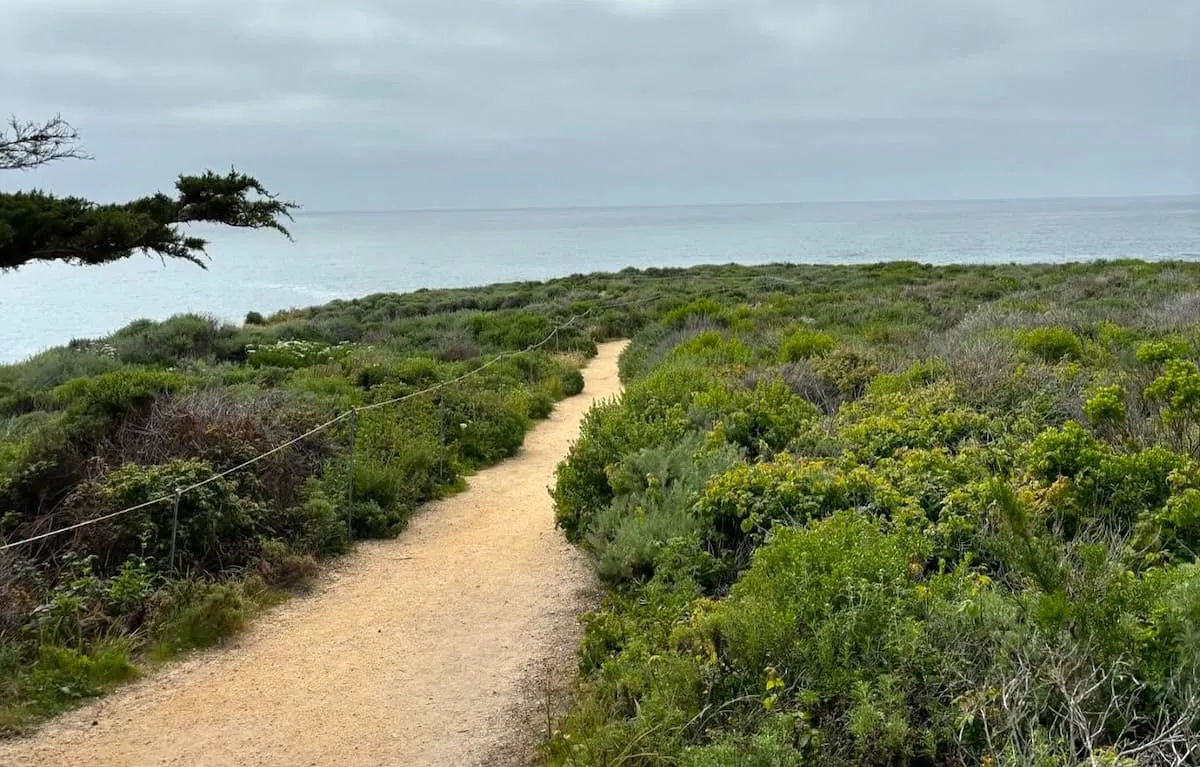
Photographers will particularly appreciate the opportunities offered by the park. The changing light of the Pacific Ocean, the rock formations sculpted by erosion, and the diversity of the landscapes create ideal conditions for nature photography. Winter remains the best season for whale watching, but each time of year reveals different aspects of this unspoiled coastline.
The park allows various activities in accordance with environmental preservation. Walking, fishing, and swimming are permitted, although the strong currents of the Pacific Ocean require extreme caution for any water activities. Dogs are allowed on the beach, provided they are kept on a leash, allowing visitors to share this natural experience with their pets.
How to get to Garrapata State Park ?
Unlike many California parks, Garrapata State Park does not have a formal main entrance. Access is via several parking areas along Highway 1, which helps to maintain the wild and unspoiled character of the place. Parking is free, but spaces are limited, so it is highly recommended to arrive early, especially on weekends and during the spring bloom.
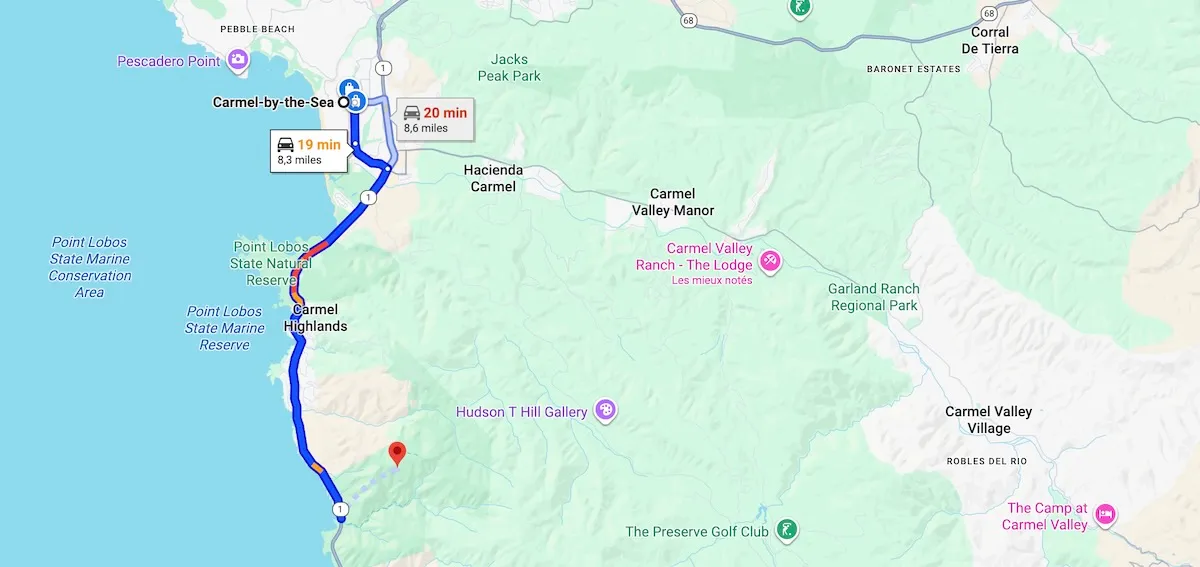
The lack of an entrance fee makes Garrapata an accessible destination for all budgets. From Carmel-by-the-Sea, it's only a 20 minute drive south on Highway 1, making the park an ideal excursion for a half-day or full day of exploration.
Visitors should bring clothing suitable for coastal conditions, as the weather can change quickly. Layered clothing, appropriate hiking shoes, and sunscreen are recommended. The park does not have restroom facilities or drinking water, so visitors should bring their own supplies.
Garrapata State Park embodies the essence of California's wild coastline, offering a peaceful alternative to more crowded tourist sites. Its unspoiled character and natural beauty make it a must-see destination for anyone wishing to discover the authentic coastline between Carmel and Big Sur.