
Among Carmel's must-do activities, hiking is a must, attracting visitors eager to explore breathtaking landscapes and rejuvenate in the great outdoors.
The natural landscape: A hiker's paradise
The Carmel region presents a remarkable convergence of ecosystems that creates unparalleled hiking diversity. The dramatic meeting point of land and sea along the Pacific Coast produces stunning cliff-top vistas and hidden cove beaches. Inland, ancient redwood forests create cathedral-like groves where filtered sunlight dances through towering canopies. Rolling meadows burst with seasonal wildflowers, while coastal wetlands provide crucial habitat for migrating birds and marine mammals.

This geographical richness means that within a short drive from Carmel's downtown village, hikers can transition from oceanfront paths where sea lions bask on rocky outcroppings to forest trails where massive sequoias have stood for centuries. The Mediterranean climate ensures year-round hiking opportunities, with spring bringing vibrant wildflower displays and autumn offering crystal-clear visibility for panoramic coastal views.
Premier hiking destinations
Point Lobos State Natural Reserve: The crown jewel
Point Lobos State Natural Reserve stands as the crown jewel of Carmel-area hiking destinations. This pristine 1,276-acre reserve protects one of California's most photographed coastlines, offering a collection of easy to moderate trails that showcase the region's marine and terrestrial ecosystems.
The Cypress Grove Trail represents the quintessential Point Lobos experience. This accessible path winds through groves of ancient Monterey cypress trees, many sculpted into dramatic forms by decades of coastal winds. The trail provides intimate encounters with these rare trees, found naturally in only two locations worldwide. Along the route, hikers discover secluded coves where harbor seals and sea otters frequently make appearances.
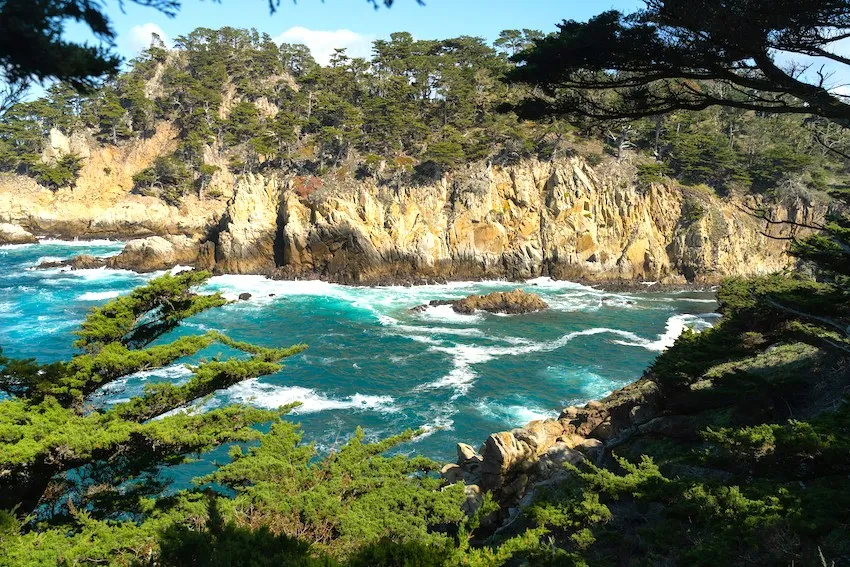
The Sea Lion Point Trail extends the coastal experience, leading to a dramatic headland where California sea lions gather in large numbers, particularly during pupping season. The trail's elevated position provides exceptional views of the churning Pacific and opportunities to spot migrating gray whales during their seasonal passages. Both trails feature well-maintained paths suitable for families and beginning hikers, with interpretive signs enhancing understanding of the unique coastal ecosystem.
Garrapata State Park: Challenging terrain and spectacular rewards
For hikers seeking more demanding terrain, Garrapata State Park delivers both physical challenges and extraordinary scenic rewards. The park's 2,879 acres encompass diverse habitats ranging from rocky coastline to redwood canyons, creating opportunities for extended exploration.
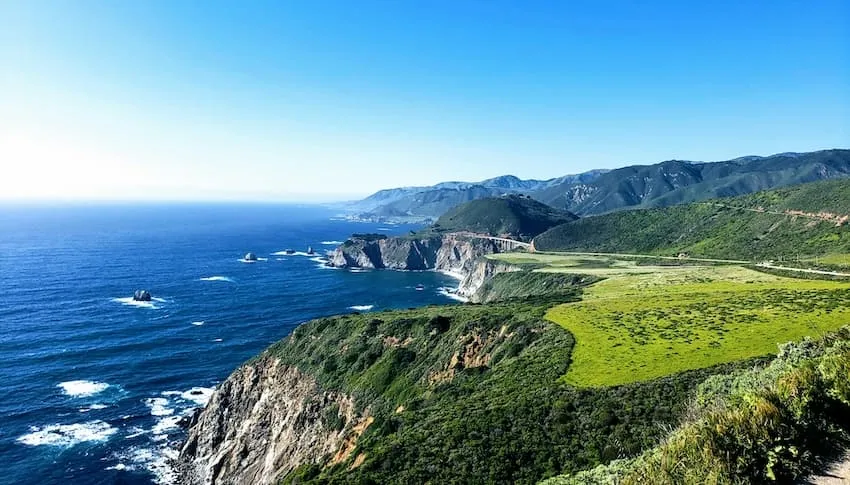
The Soberanes Canyon Loop Trail represents the park's premier hiking experience. This moderately strenuous loop traverses multiple ecosystems, beginning in coastal scrubland before ascending into cool redwood groves. The trail follows Soberanes Creek through a canyon lined with towering trees, where the temperature drops noticeably and the sound of running water provides a peaceful soundtrack. As the loop continues, hikers emerge onto ridgelines offering sweeping views of the Pacific Ocean and the dramatic Big Sur coastline stretching southward.
The park's coastal access points provide additional hiking opportunities along bluff-top trails where wildflowers create seasonal displays of purple lupine, orange poppies, and yellow bush sunflowers. These coastal sections offer excellent whale-watching opportunities during migration seasons and provide access to small beaches where jade hunting remains a popular activity.
Jacks Peak County Park: Family-friendly forest exploration
Jacks Peak County Park provides an excellent introduction to the region's forest ecosystems while accommodating hikers of all ages and abilities. The park's 525 acres encompass the highest point on the Monterey Peninsula, creating opportunities for panoramic views across Monterey Bay and the surrounding coastline.
The Skyline Nature Trail serves as the park's signature experience. This easy loop trail guides visitors through diverse plant communities while providing educational opportunities through interpretive stations. The trail's gentle grade makes it accessible for young children and older adults, while the varied terrain maintains interest for more experienced hikers. From the trail's highest points, visitors enjoy unobstructed views spanning from Santa Cruz to Big Sur, with the Monterey Bay serving as a brilliant blue centerpiece.
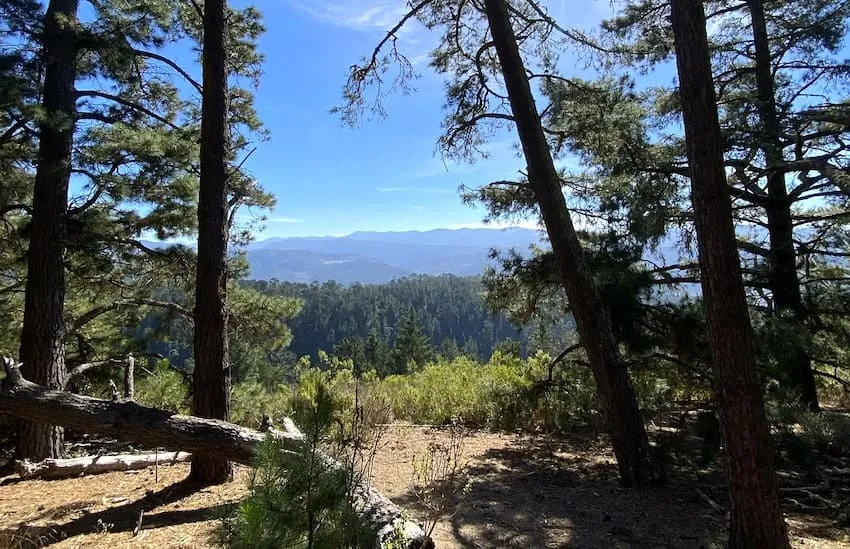
The park's extensive trail network totals 8.5 miles, allowing for extended exploration through pine and oak forests. These quieter trails provide opportunities for wildlife observation, particularly bird watching, as the forest habitat supports diverse species including woodpeckers, hawks, and seasonal migrants.
Palo Corona Regional Park: Moderate challenges and inspiring views
Palo Corona Regional Park offers hiking experiences that bridge the gap between beginner-friendly paths and challenging backcountry routes. The park's 4,350 acres protect crucial watershed areas while providing access to some of the region's most inspiring viewpoints.
The trail to Inspiration Point represents the park's premier destination. This moderate hike requires steady effort as it climbs through oak woodlands and chaparral communities toward elevated viewpoints. The payoff comes at Inspiration Point, where hikers are rewarded with expansive vistas encompassing the Carmel Valley, Point Lobos, and the Pacific Ocean beyond. The viewpoint's positioning creates particularly stunning sunrise and sunset photography opportunities.
The park's trail system continues to expand, with new routes providing access to previously unavailable areas. These developing trails offer opportunities for more solitary hiking experiences while maintaining the scenic quality that defines the region.
Mission Trail Nature Preserve: Urban forest sanctuary
Within Carmel's boundaries, the Mission Trail Nature Preserve provides immediate access to forest hiking without leaving town. This 70-acre preserve protects a remnant of the coastal forest that once covered much of the Monterey Peninsula, offering more than three miles of interconnected trails.
The preserve's trail network winds through diverse habitats including Monterey pine forests, coastal wetlands, and riparian woodlands. These varied environments support surprising wildlife diversity for such a small area, with frequent sightings of deer, rabbits, and numerous bird species. The trails connect to historic sites including the Carmel Mission, allowing hikers to combine natural exploration with cultural education.
The preserve's proximity to Carmel's downtown makes it ideal for short hiking breaks during visits to the village. The trails provide peaceful respites from shopping and dining while offering glimpses of the natural systems that shaped this coastal region.
Carmel Meadows Trail and Scenic Road Walkway: Coastal perfection
The Carmel Meadows Trail system and Scenic Road Walkway create opportunities for extended coastal hiking along some of California's most pristine shoreline. These interconnected paths follow the coastline south of Carmel, providing access to hidden beaches, dramatic rock formations, and elevated viewpoints.
The Scenic Road portion allows hikers to follow the coastline while enjoying views of Carmel's famous white sand beach and the cypress-covered peninsula beyond. The route passes distinctive residential architecture while maintaining focus on the natural coastal environment. Side trails descend to secluded beaches where beachcombing and tide pooling provide additional exploration opportunities.
The Carmel Meadows section extends the coastal experience southward, following bluff-top paths where seasonal wildflowers frame ocean vistas. These trails provide excellent opportunities for photography and wildlife observation, particularly during spring migration periods when diverse bird species utilize the coastal corridor.
Seasonal considerations and planning
The Carmel region's Mediterranean climate creates favorable hiking conditions throughout the year, though seasonal variations significantly impact trail experiences. Spring months from March through May offer the most dramatic wildflower displays, particularly in coastal meadows and inland valleys. During this period, lupine, poppies, and paintbrush create colorful carpets that enhance every hiking experience.
Summer provides the most reliable weather conditions, though coastal fog frequently blankets the region during morning hours. This marine layer often burns off by midday, revealing crystal-clear conditions ideal for photography and distant views. Summer also offers the warmest ocean temperatures for those hiking routes that provide beach access.
Autumn delivers some of the year's clearest atmospheric conditions, creating exceptional visibility for panoramic vistas. The reduced tourist crowds during fall months provide more solitary hiking experiences while maintaining comfortable temperatures for extended outdoor activities.
Winter hiking around Carmel requires more careful weather monitoring, as Pacific storm systems can create hazardous conditions on exposed coastal trails. However, clear winter days often provide the most dramatic lighting and atmospheric effects for coastal photography.
Wildlife and natural features around Carmel-by-the-Sea
The diverse ecosystems surrounding Carmel support remarkable wildlife populations that enhance every hiking experience. Coastal trails provide opportunities to observe marine mammals including harbor seals, sea otters, and California sea lions. During migration seasons, gray whales pass close to shore, often visible from elevated coastal viewpoints.
Bird life reaches exceptional diversity due to the region's position along the Pacific Flyway. Coastal species include brown pelicans, cormorants, and various gull species, while forest habitats support woodpeckers, jays, and numerous songbird species. Raptors including red-tailed hawks and occasional peregrine falcons utilize the varied terrain for hunting.
Terrestrial mammals include black-tailed deer, gray foxes, and numerous smaller species. The region's plant communities showcase California's botanical diversity, from rare Monterey cypress and pine species to seasonal wildflower displays that attract photographers from around the world.
Trail difficulty and accessibility
The hiking opportunities around Carmel-by-the-Sea accommodate every fitness level and experience category. Easy trails such as the Cypress Grove Trail at Point Lobos and the Skyline Nature Trail at Jacks Peak provide accessible introductions to the region's natural beauty. These routes feature well-maintained paths, minimal elevation gain, and frequent rest opportunities.
Moderate trails including the Sea Lion Point Trail and portions of the Mission Trail Preserve offer slightly more challenging terrain while remaining suitable for most hikers. These routes may include some elevation changes and longer distances but generally maintain good footing and clear navigation.
More challenging options such as the Soberanes Canyon Loop and the trail to Inspiration Point require greater physical preparation and hiking experience. These routes involve significant elevation gain, potentially rough terrain, and longer commitment times.
Practical considerations for hikers
Successful hiking around Carmel requires attention to several practical considerations. The coastal environment creates rapidly changing weather conditions, making layered clothing essential even during apparently stable weather periods. Morning fog and afternoon wind patterns can dramatically alter temperature and visibility conditions during single hiking sessions.
Water availability varies significantly among different hiking areas. While some trails provide access to streams or water sources, many coastal routes offer no reliable water access, making adequate hydration planning crucial for longer hikes.
Parking availability differs substantially among hiking destinations. Popular areas such as Point Lobos implement reservation systems during peak seasons, while other locations may have limited parking that fills early during favorable weather periods.
Many hiking areas around Carmel charge entrance fees or require parking reservations, particularly state parks and reserves. Planning ahead ensures access to desired hiking destinations while avoiding disappointment upon arrival.