Point Lobos State Natural Reserve, located near Carmel-by-the-Sea, is often hailed as one of California’s most breathtaking coastal parks. Renowned for its dramatic seascapes, rich biodiversity, and scenic hiking trails, the reserve attracts nature lovers, photographers, and marine life enthusiasts from all over the world. Below is a detailed look at what makes Point Lobos a true natural treasure along California’s Central Coast.
A unique natural site
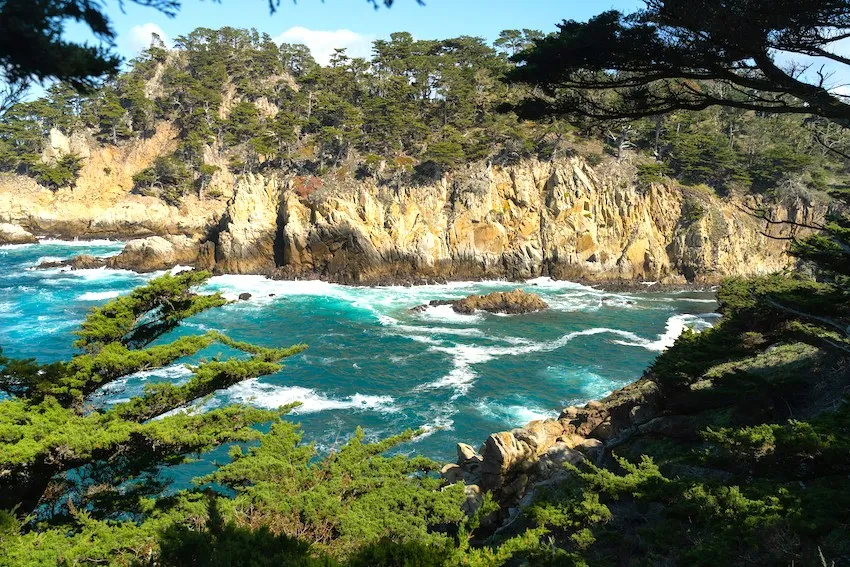
Point Lobos combines stunning cliffs, hidden coves, cypress groves, and wildflower-covered meadows into one remarkable location. Its name, Point Lobos, derives from the Spanish term lobos marinos, meaning "sea wolves", referring to the sea lions that can often be heard barking from the rocky shores and coves throughout the reserve. This natural sanctuary offers a glimpse into the wild beauty of the California coast, where rocky landscapes meet the deep blue Pacific in a stunning interplay of land and sea.
Wildlife and plant life
Point Lobos is a haven for many unique animal species, offering visitors the chance to see sea lions, harbor seals, sea otters, and, during migration season, gray and humpback whales right from the shoreline. Beneath the ocean surface, the reserve features one of the largest underwater kelp forests in the region, providing a diverse habitat for fish, invertebrates, and crustaceans. Divers in these waters are treated to a world of color and movement, with marine life flourishing in the protected underwater landscape.
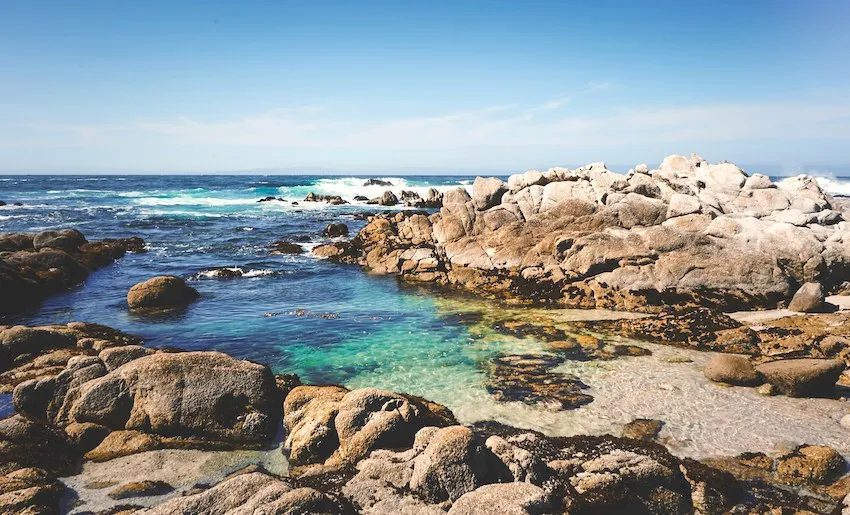
On land, the reserve is marked by the iconic Monterey cypress trees, their branches twisted by coastal winds, creating a striking, almost otherworldly landscape. These ancient trees thrive only in the region surrounding Carmel, making them a unique feature of Point Lobos. In spring, wildflowers bloom across the meadows, adding vibrant patches of color to the landscape and attracting a wide variety of migratory and resident birds.
Hiking trails and scenic viewpoints
Point Lobos offers several hiking trails, each leading visitors through its diverse scenery and offering unique vantage points along the coast. Some of the most popular trails include:
Cypress Grove Trail: A short but spectacular trail that winds through a Monterey cypress grove and leads to panoramic views of cliffs and the ocean below.
Sea Lion Point Trail: This trail offers an elevated perspective over sea lion colonies, providing a unique opportunity to observe marine life along the rugged cliffs.
Bird Island Trail: Passing through sandy coves and rocky beaches, this trail leads to Bird Island, where seabirds nest in impressive numbers, offering visitors a chance to witness a lively gathering of avian wildlife.
Each trail is designed to maximize the visitor experience while preserving the natural habitats. These well-maintained paths accommodate all levels of hikers and allow access to some of the most stunning coastal vistas in the region.
Activities and conservation efforts
In addition to hiking, Point Lobos is popular for scuba diving, although diving requires a permit to help protect the marine ecosystem. The clear waters and thriving kelp forests provide exceptional visibility, allowing divers to experience the underwater biodiversity up close.
Visitors can also join guided tours to learn more about the area’s geology, history, and wildlife. These tours, often led by knowledgeable naturalists or passionate volunteers, emphasize the importance of conservation and offer fascinating insights into Point Lobos’s unique ecosystems.
History and cultural significance
Point Lobos is rich in cultural history as well. Before European settlers arrived, the region was inhabited by indigenous tribes, particularly the Ohlone, who lived in harmony with the environment. Later, during the 19th century, Point Lobos was frequented by otter hunters and abalone fishermen, and it served as inspiration for numerous artists who sought to capture its rugged beauty.
Today, Point Lobos is a protected reserve, with strict regulations in place to preserve its natural beauty. Often referred to as the “crown jewel” of California’s state park system, Point Lobos is a testament to the state’s commitment to conservation and to safeguarding this remarkable natural area for future generations.
Tips for visitors
Planning a trip to Point Lobos requires some preparation to ensure the experience is both enjoyable and respectful of the environment. Parking within the reserve is limited, particularly during peak seasons, but there are parking options along the highway near the entrance. Visitors should bring water, wear sturdy hiking shoes, and stick to marked trails to help protect the area’s flora and fauna.
Point Lobos State Natural Reserve offers a memorable experience for those wishing to explore the wonders of the California coastline. With respect and admiration, visitors can connect deeply with nature in one of the most breathtaking and biologically diverse places on the coast, making Point Lobos an unforgettable destination for all who come to experience its splendor.